CATEGORY:
Hackathon
GENRE:
Community Safety
DATE:
February 15, 2025
TECHNOLOGIES:
Next.js, OpenAI API
about.
In today's world, staying informed about local incidents and safety concerns is crucial. Whether it is a house fire, suspicious activity, or even something as extreme as a nuclear threat, timely updates can help people make better decisions for their safety. However, many incidents go unreported or fail to reach the people who need to know. Without an efficient way to share and access real-time alerts, communities are left vulnerable to unforeseen dangers.
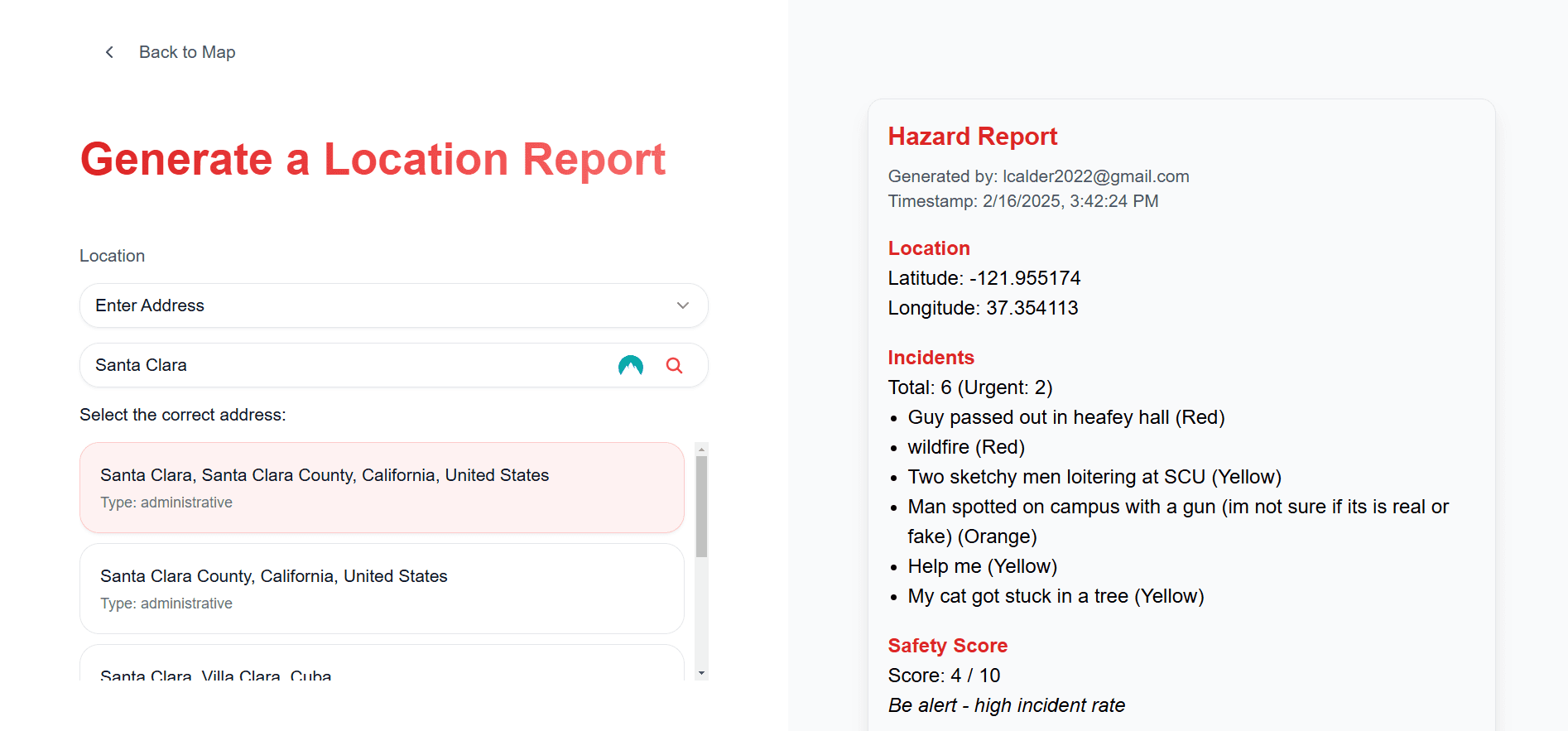
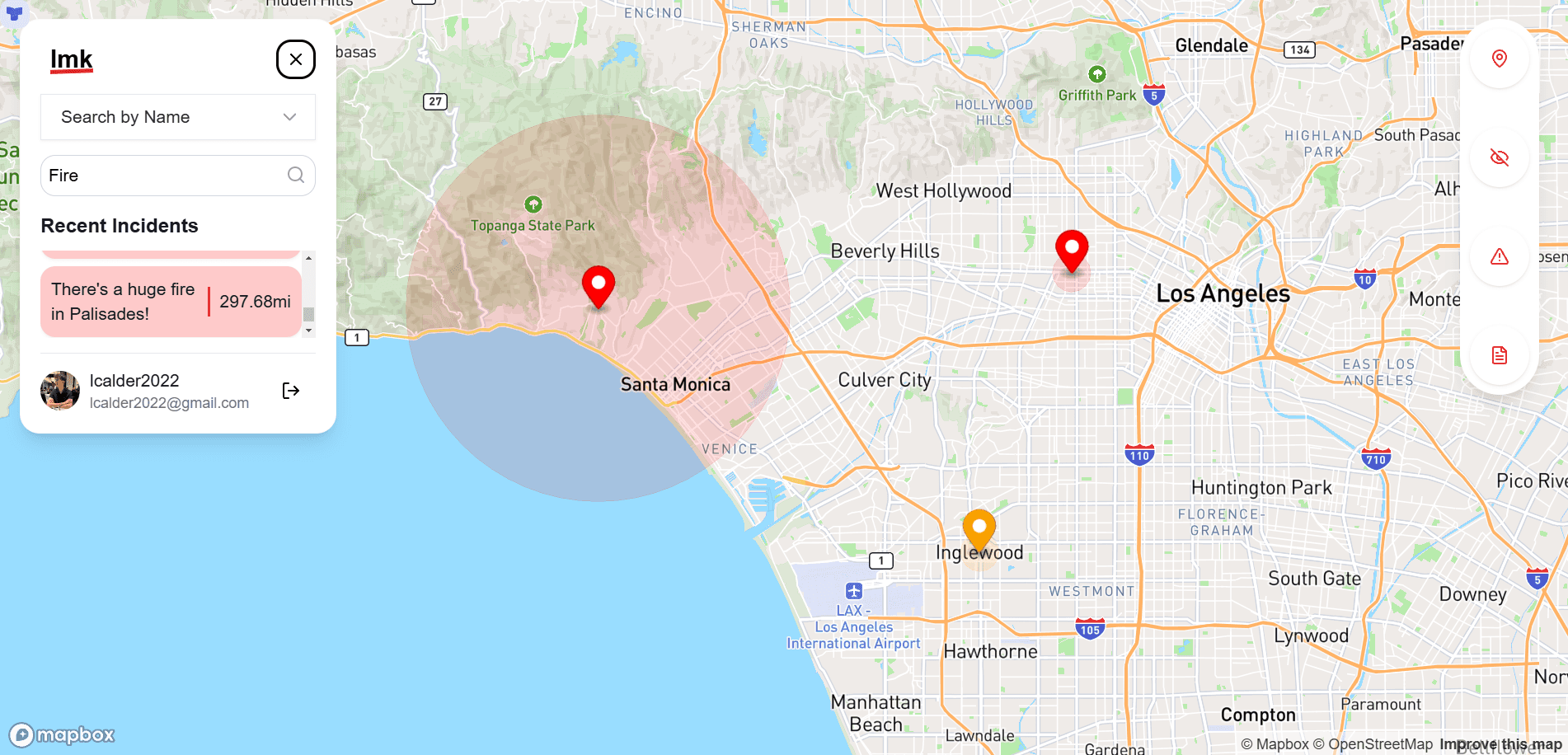
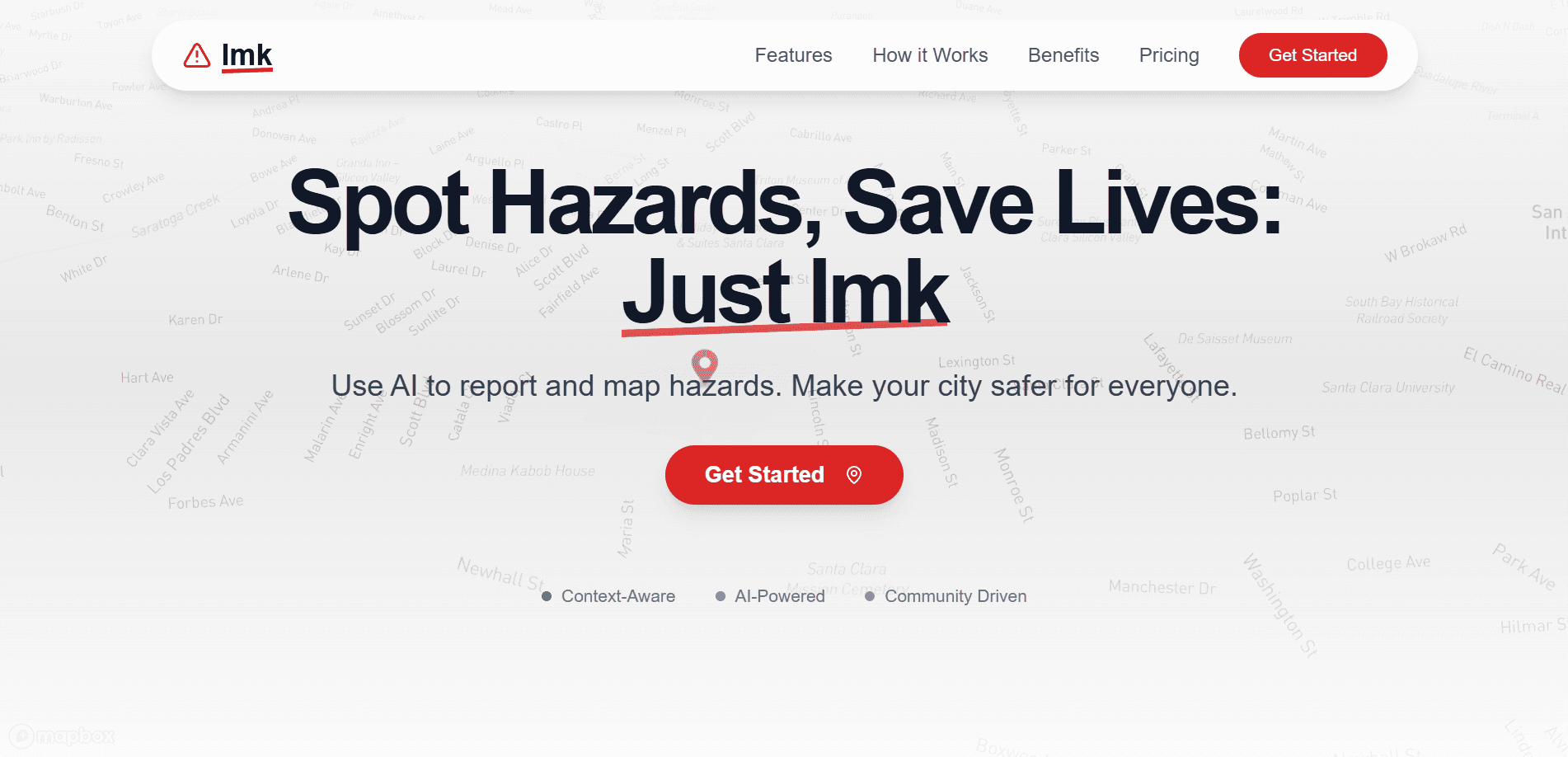
This inspired us to create lmk, a platform that enables community-driven safety reporting. Rather than relying solely on official emergency channels, lmk allows people to contribute real-time updates about local incidents, making it easier for others to stay informed. The platform provides an interactive way for users to track reports, assess potential risks, and respond accordingly.
challenges.
One of the biggest challenges was ensuring that the AI agents worked effectively together. We needed to refine the pipeline so that reports were classified, summarized, and displayed accurately. Structuring the AI-generated data in a way that was both useful and reliable took significant iteration. Further, the continuous evolution of the UI posed to be a problem. Each change introduced new challenges, such as balancing aesthetics with functionality, resolving unexpected styling conflicts, and ensuring responsiveness across different devices. The iterative nature of UI development meant that every fix often introduced new complexities, requiring ongoing refinement.
development.
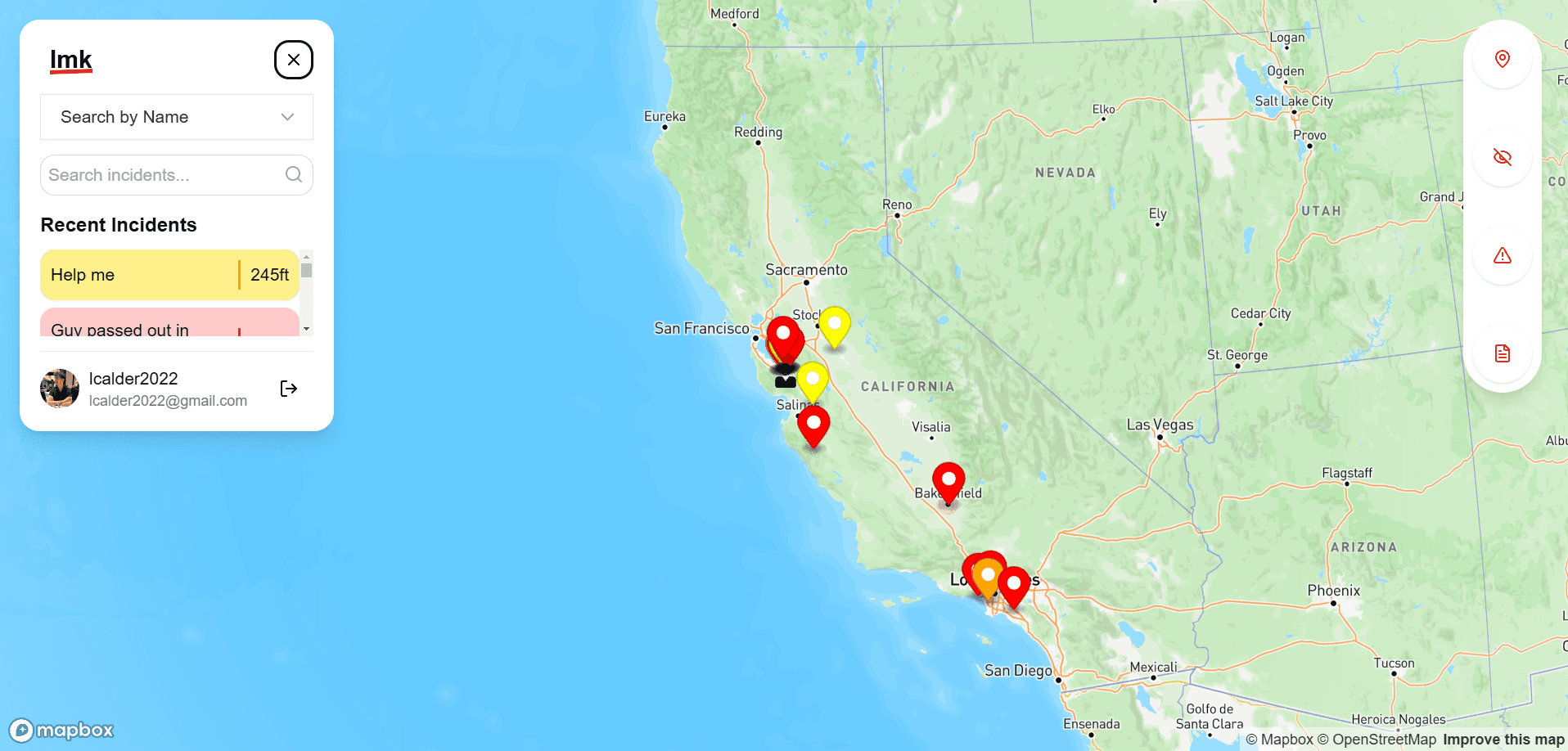
To build our user-facing full-stack web application, we opted to use Next.js due to its flexibility in handling both server-side rendering (SSR) and static site generation (SSG), making it an ideal choice for a real-time, data-heavy application like lmk. For the front-end, we used TailwindCSS for rapid UI development, allowing us to focus on building an intuitive and accessible design. We also integrated ShadCN, a component library, to ensure that the user interface is both aesthetically pleasing and highly functional, with minimal effort.
To facilitate a dynamic and interactive experience, we incorporated a map using Mapbox. We also used the OpenStreetMap API as part of the report functionality when users need to add a new incident to search for addresses fast.
result.
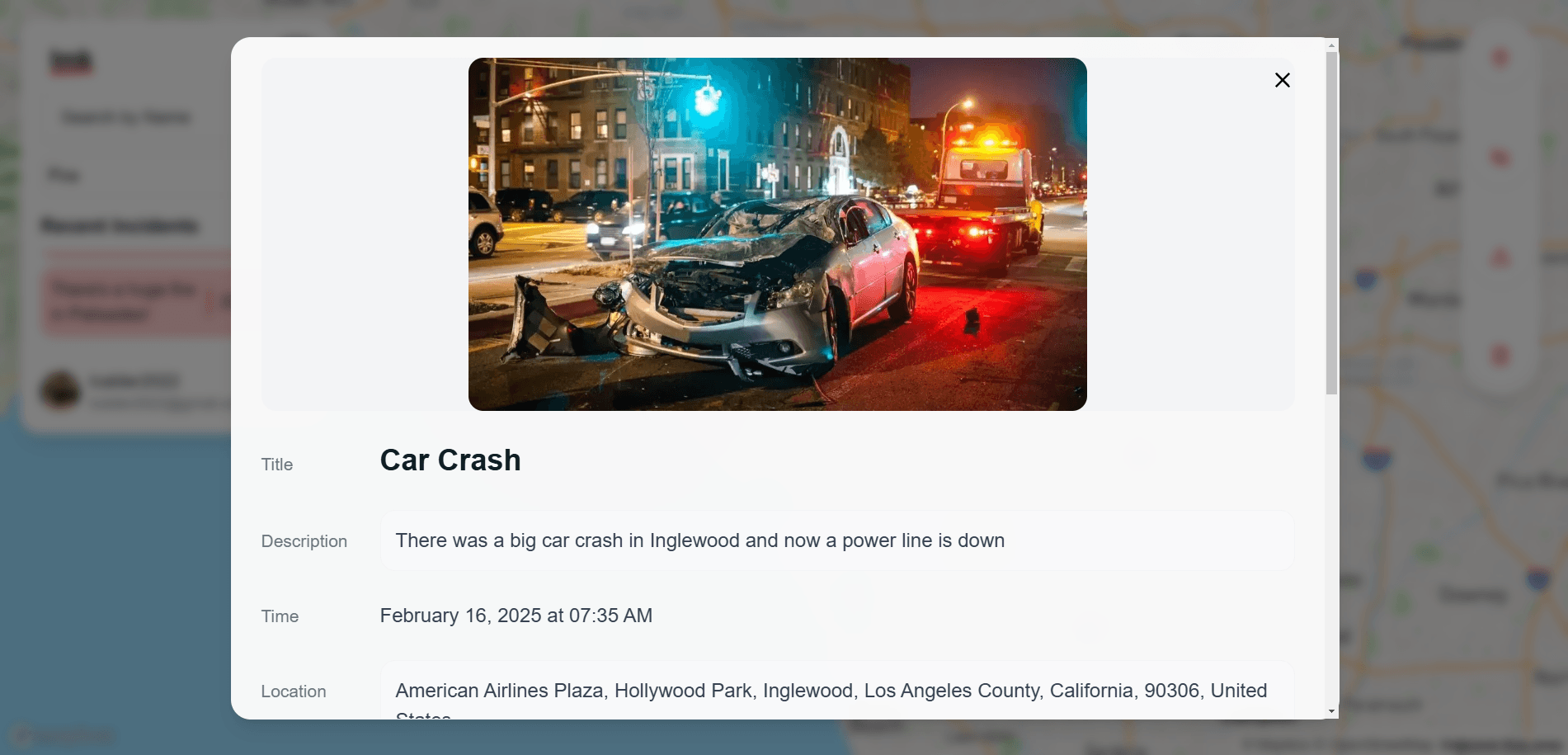
While this project didn't win any awards, we were all incredibly proud of the quality and functionality of our project, working both on laptop and mobile. Though the short 24 hour time limit posed a great limitation to our product, had we wished to continue, we listed out future considerations to implement social media integrations, automatic report generation, and improved accuracy of incident reporting.